

Running clean
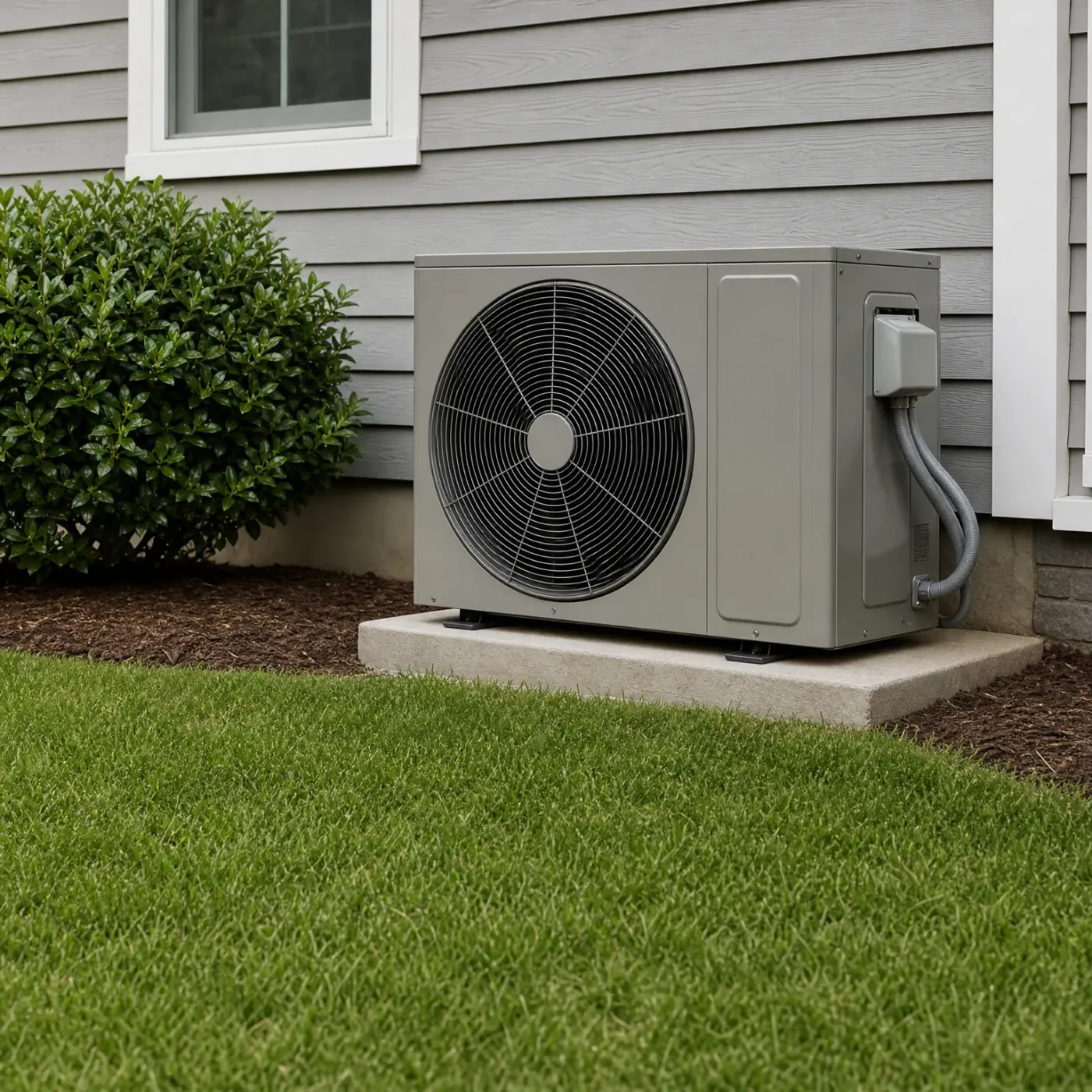
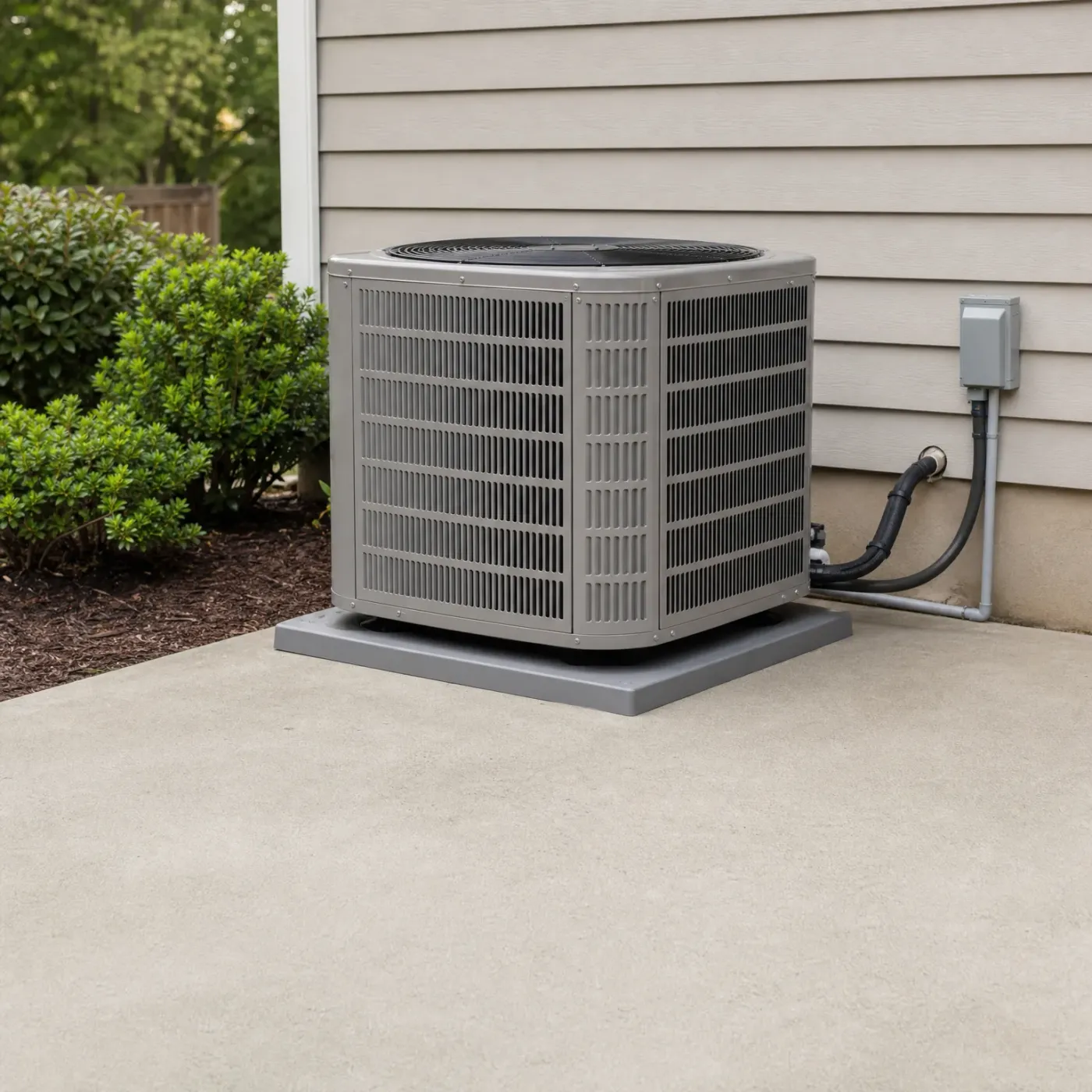
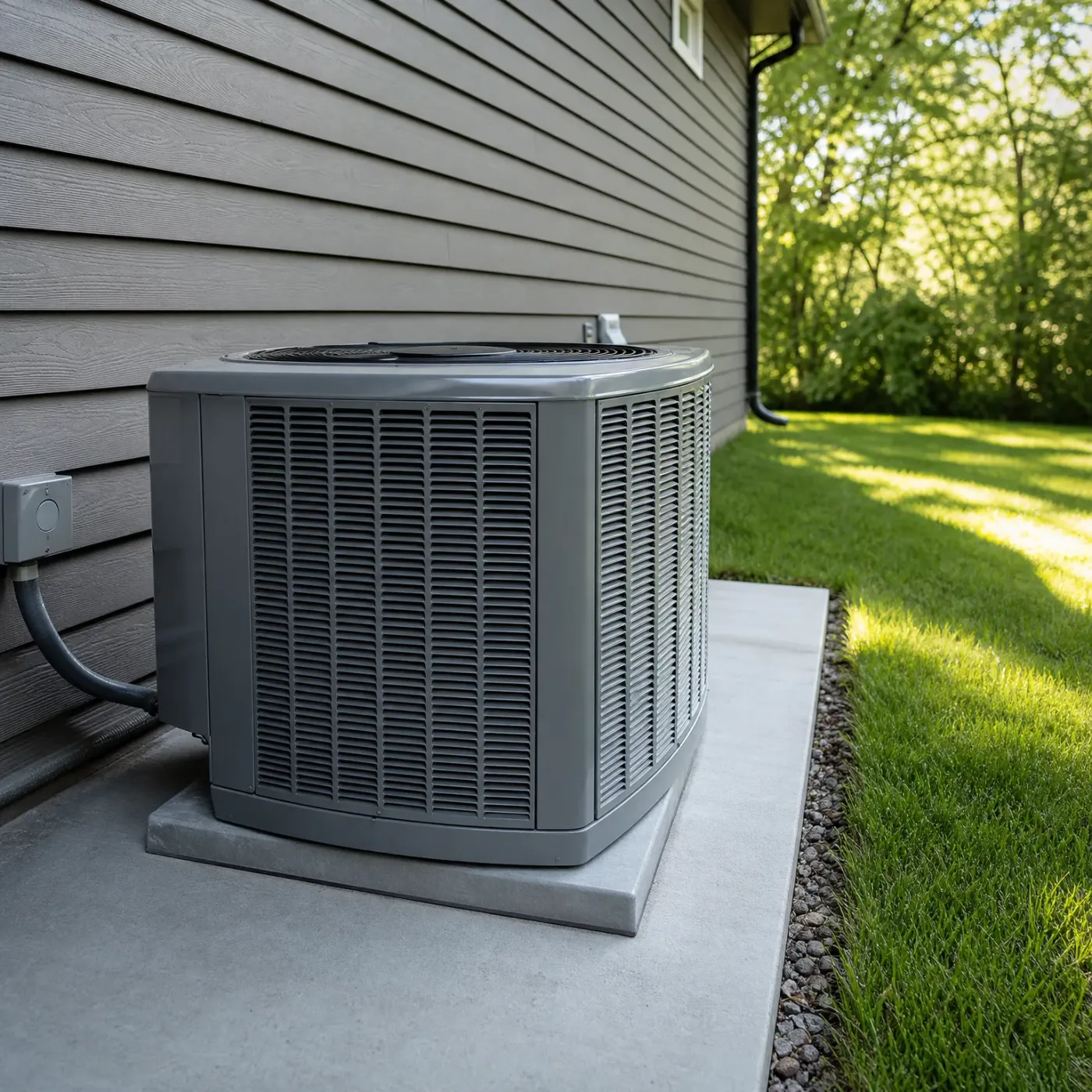
This is what your heat pump should look like outdoors: clear fins, open grille, nothing piled against the cabinet. Air moves through it the way it was built to, so it pulls heat from the night air and shuts off once the house is warm.

Arizona winters are mild, so your heat pump should run in short cycles, often ten to twenty minutes at a time, then shut off once the house reaches temperature. On a cold desert night it may run longer, and on a 60 degree afternoon it may barely run at all. What matters is whether it shuts off. A heat pump that runs for an hour or more without stopping, or that runs constantly through a mild day, is working harder than this climate should ask of it. That usually points to something off with the system itself, not the weather, since Arizona rarely asks a heat pump to fight real cold for long. Short, regular cycles mean the system is sized right and working the way it should. Long, nonstop runs are worth having looked at before a cold snap turns a small problem into a system that can't keep up.
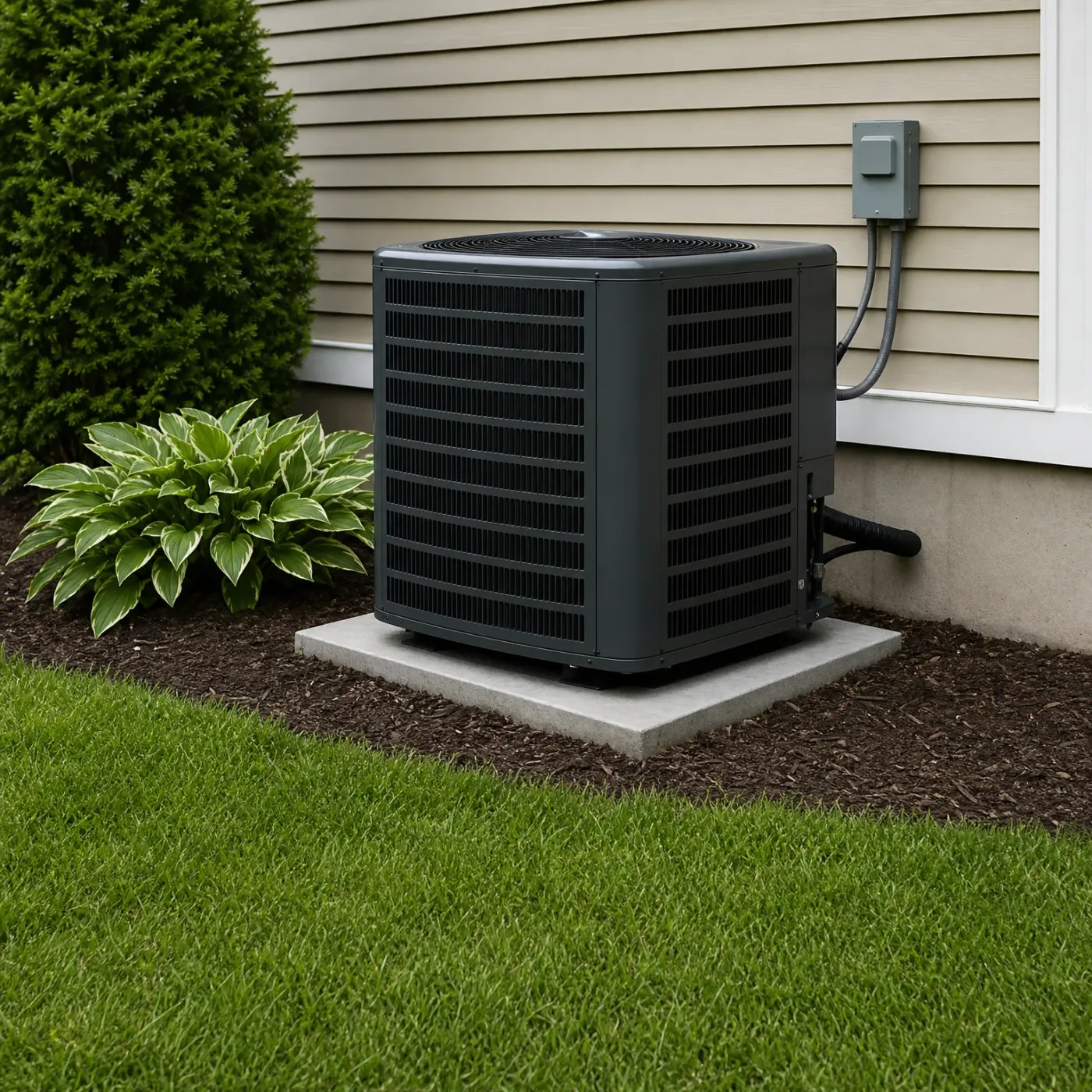
Thermostat calls for heat and starts the compressor
Outdoor coil pulls heat from the air into refrigerant
Indoor coil releases that heat into air moving through the ducts
House reaches set temperature and the thermostat shuts the system off
At 15.26 cents a kilowatt-hour, those short ten to twenty minute cycles are what keep your bill reasonable. A heat pump working harder than it should, running long on dirty coils, pulls more of those kilowatt-hours every night it does it.
EIA-861 2025 statewide residential average




You'll notice it first at night. Instead of a ten or twenty minute cycle and quiet after, the unit keeps running, and a January night is when that shows up most. Electric heat is how most homes here warm up, so every extra hour the compressor runs lands on your next bill. Some mornings the house still hasn't caught up to what the thermostat is set to, even with the system running most of the night. If you walk outside and see ice on the outdoor coil, that's not the cold doing what cold does. That's the system telling you it can't move heat the way it should. None of this wears evenly either. A compressor built to run in short bursts and rest between them holds up for years. One pushed to run long, night after night, is working harder than it was ever meant to. A unit that handled October without trouble and struggles through a cold snap in January is worth having looked at before the next one hits.
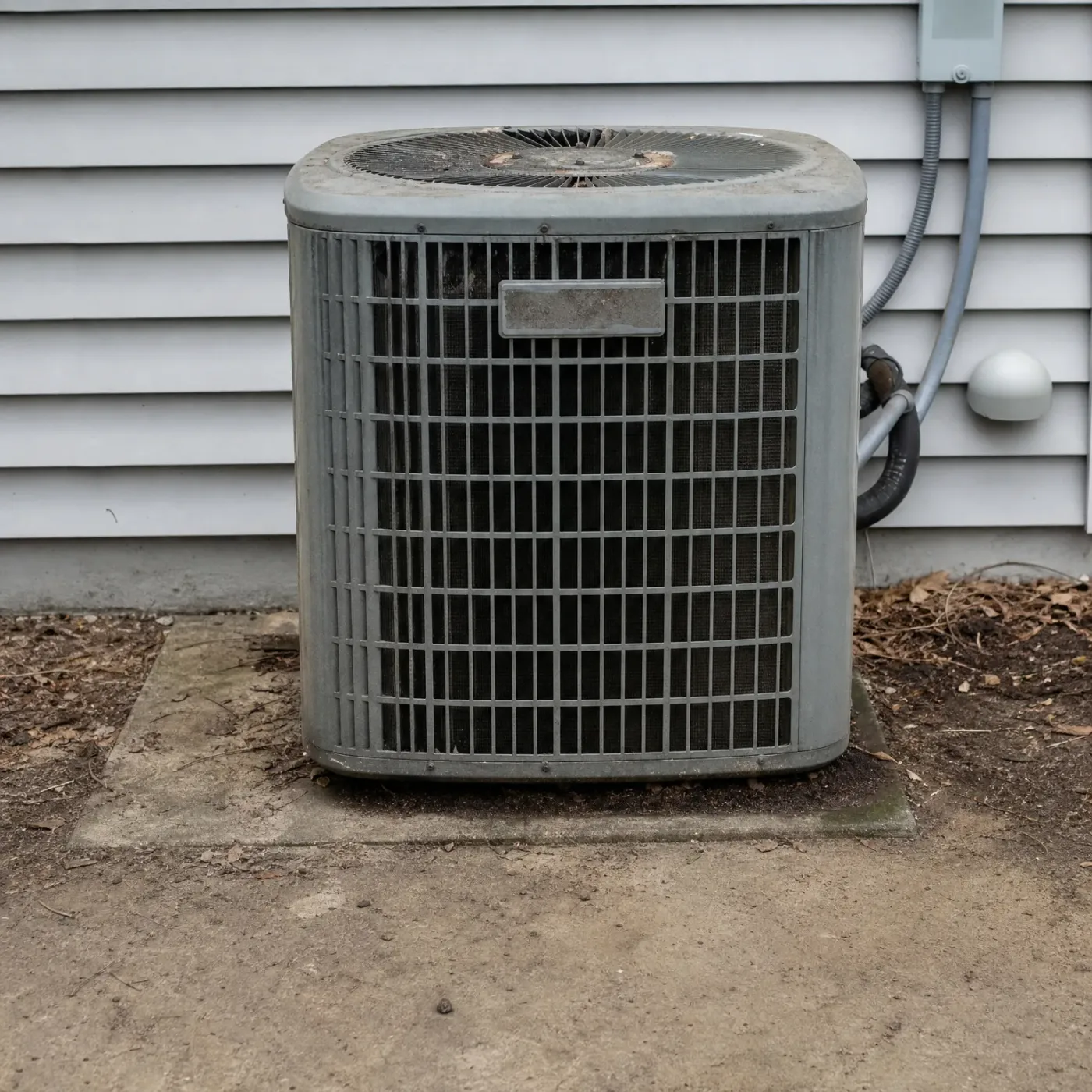
You notice it because the house is quiet, or it should be. Instead the unit outside is still going a half hour after the thermostat should have been satisfied, and the vents are putting out air that feels barely warm. Some homeowners catch a burnt dust smell when it first kicks on, or hear a rattle that wasn't there last winter. None of this is dramatic on its own. But a system that won't shut off on a cold night is pulling power the whole time it runs, and if it's working that hard every night from now through spring, that's a pattern that doesn't fix itself.
That 47°F dew point belongs to summer, but it's the reason the outdoor coil picks up dust and grit all year, the same coil your heat pump leans on to pull heat from the air every winter night. Humid summer air leaves a film on those fins, and anything sitting on them come November is what makes the unit run long instead of cycling off clean. A tech who services heat pumps in your area through both seasons knows to check that coil before winter starts, not just when it's blowing warm. One contractor, local to Arizona, handling it start to finish beats several crews guessing at what the summer left behind.
NASA POWER T2MDEW county cells weighted by homes
Your request goes to one pro, not a list of companies.
It costs nothing to send, and you don't have to hire anyone.
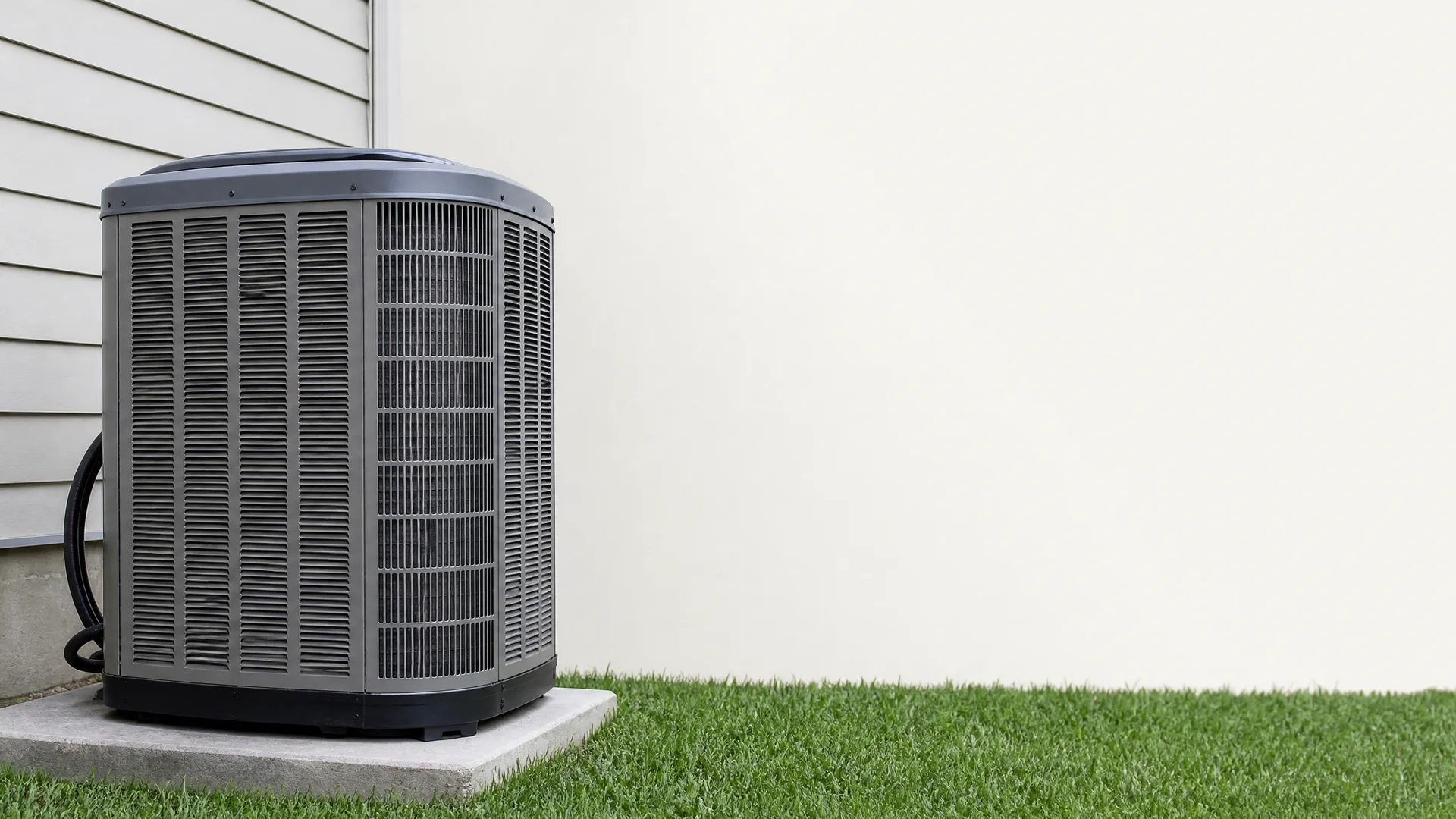
Some nights drop enough that your heat pump runs longer than usual to hold the house at temperature. That's the system doing its job on a cold night, not a sign of trouble. It should still shut off once the house catches up, even if that takes longer than it did the night before. What matters is whether it reaches that point and rests, or just keeps going.
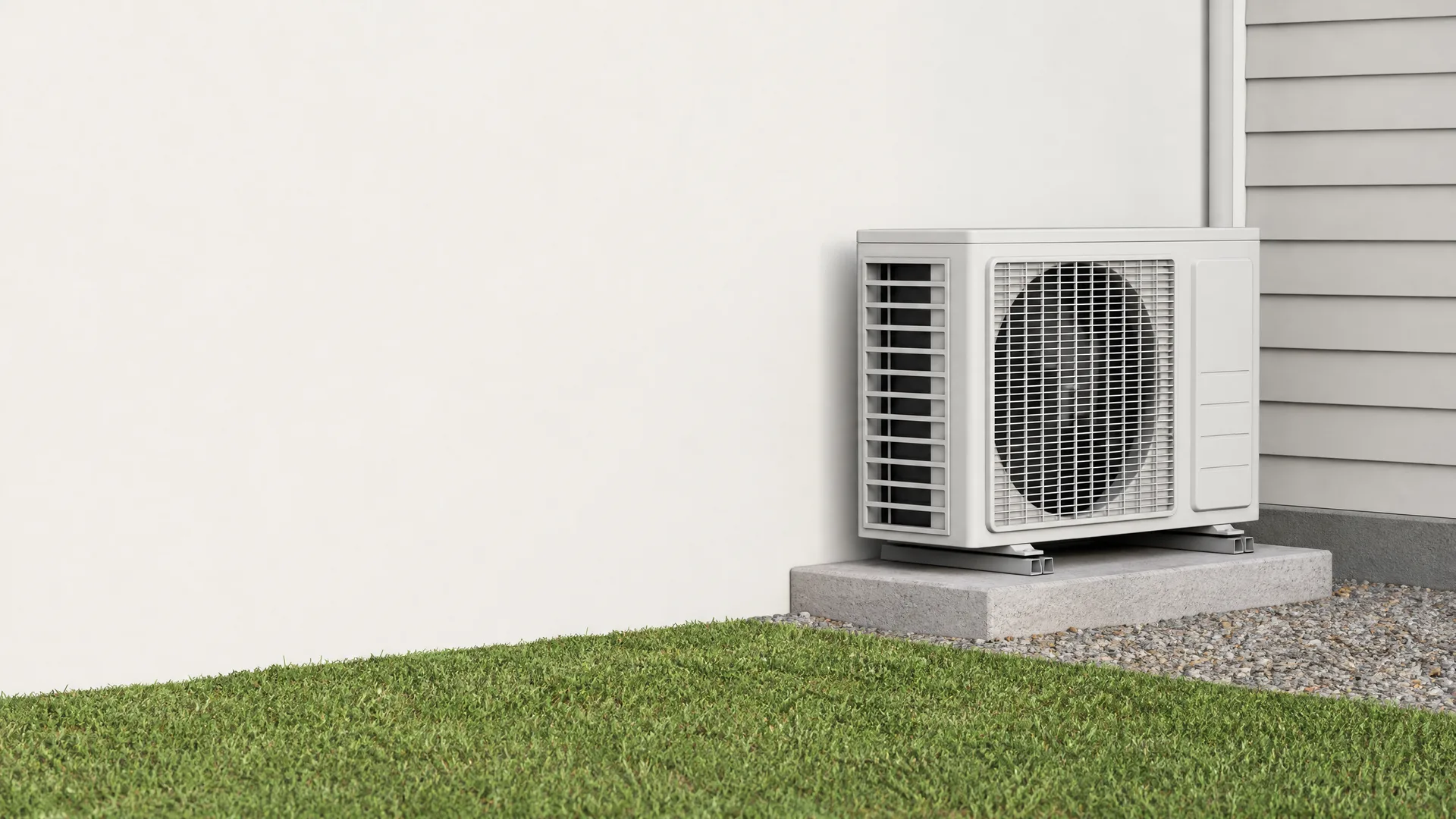
Most winter nights here don't ask much of your heat pump. If it's running long and the air coming out feels cooler than it should, something is making it work past what the night calls for. A coil packed with dust, a low refrigerant charge, or a part wearing down can all do it. A contractor who services this equipment every winter will know which one it is from what the system is doing.
This is what your heat pump should look like outdoors: clear fins, open grille, nothing piled against the cabinet. Air moves through it the way it was built to, so it pulls heat from the night air and shuts off once the house is warm.
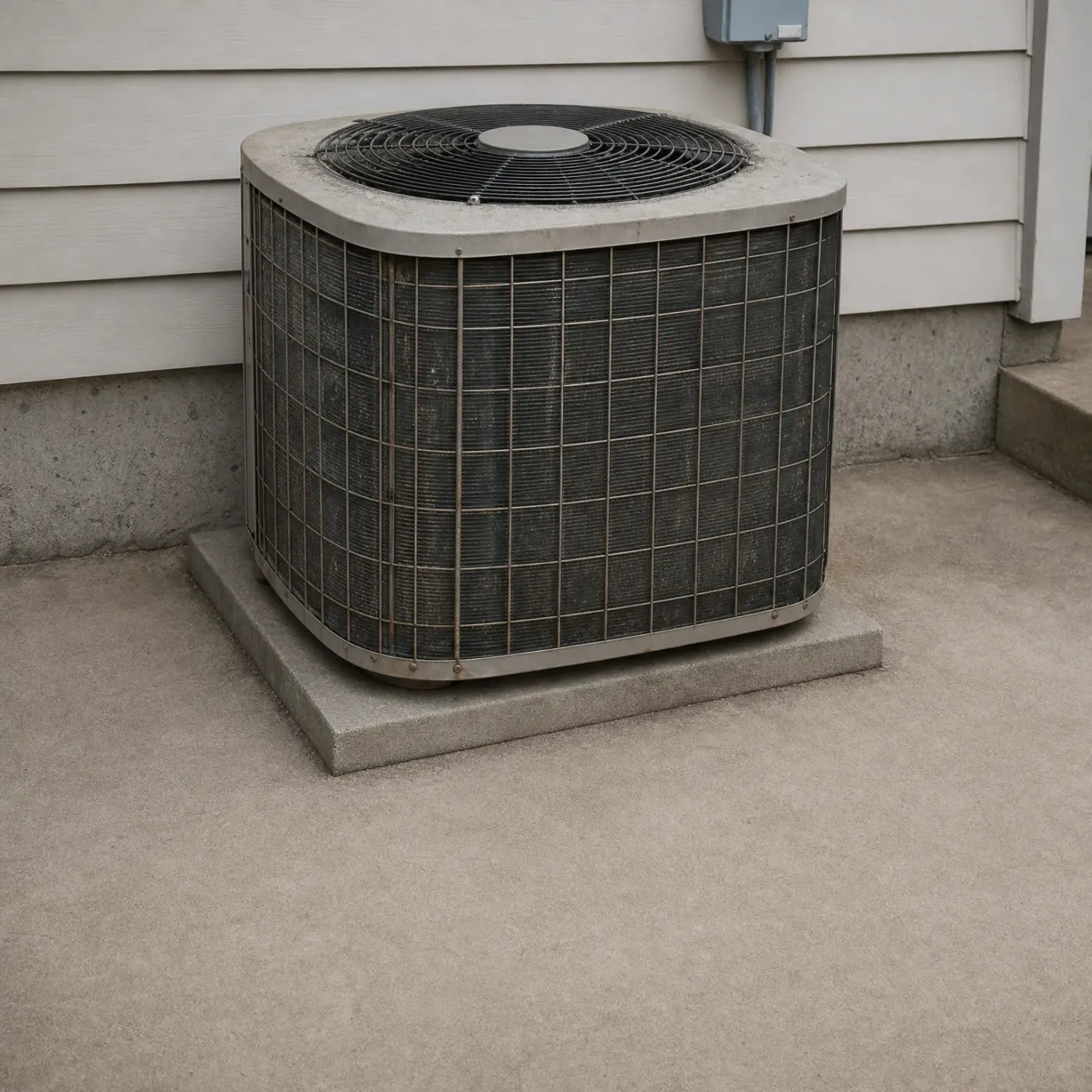
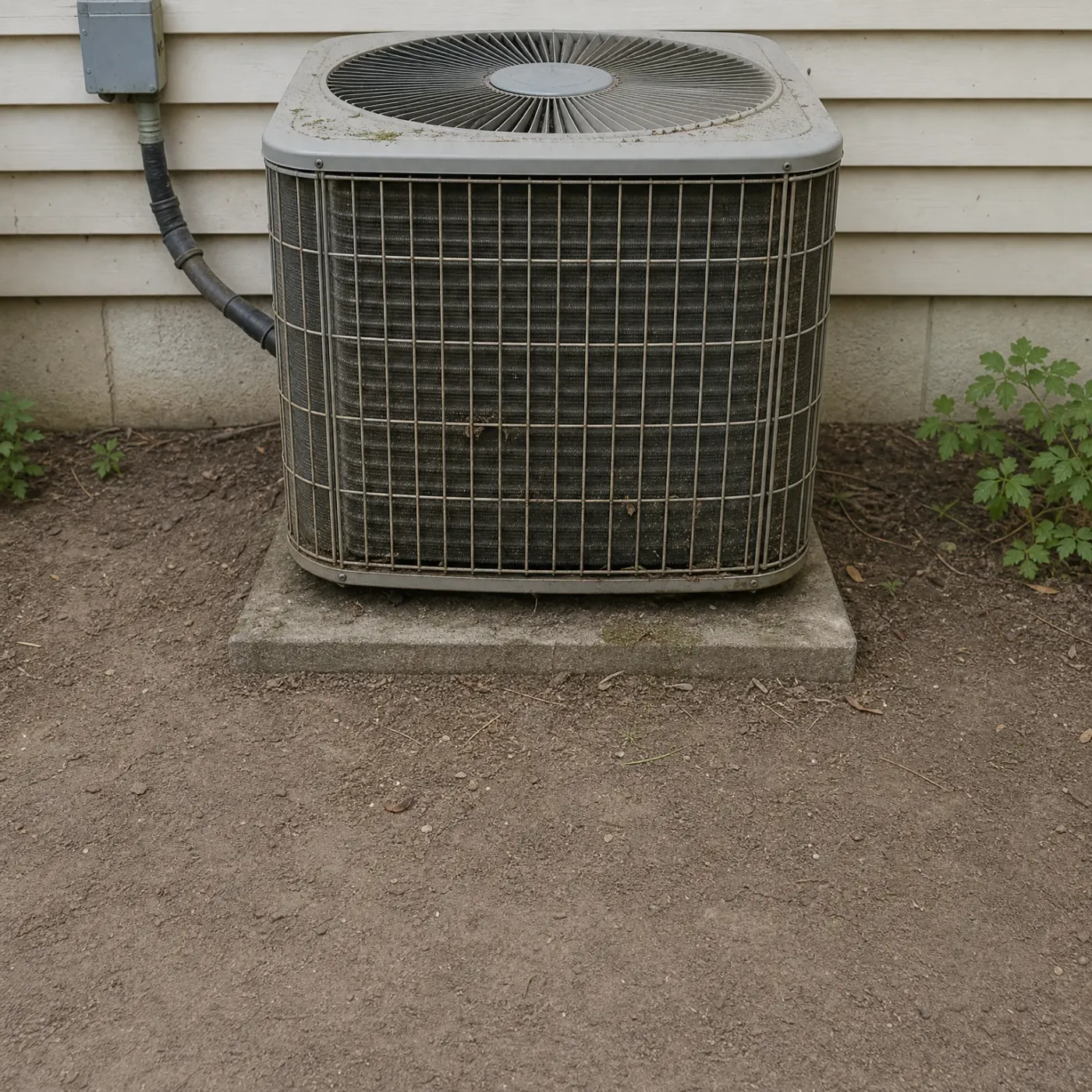
Fins packed with dust and grit block the airflow the unit needs to pull heat from the air. It runs longer to make up for it, and on a cold night it may not catch up at all. A maintenance visit clears the coil and lets it work the way the first one does.


You know by now what your heat pump should do on a mild Arizona night. It runs ten to twenty minutes, the house reaches temperature, and it shuts off. It stays quiet until the thermostat calls for heat again. That pattern is the whole answer. A colder night stretches the cycle out, and that's the system doing what it's built for. A cycle that drags on past when the house should already be warm is the one worth paying attention to, because something is making the unit work harder than a desert winter asks of it.
Most of the time that something is the outdoor coil. Dust and grit sit on the fins after a summer of humid air, and they don't clear on their own. Maintenance is what gets them off, so the coil can pull heat from the night air the way it's supposed to. That's the service this comes down to, and it's worth having someone local handle it. A contractor who works on heat pumps all season in this climate has seen which parts tend to go first here, and what a coil looks like after a long Arizona summer. You're not sending this request to a handful of companies and sorting through calls. One licensed contractor gets the job, and takes it from there.
Watch for the long cycle on a mild night. That's the only sign you need.
The pro who reaches out is licensed in Arizona.
No charge to send it. You decide if you hire them.