
Why your heat pump smells like burning in Arizona
Why does my heat pump smell like it's burning?
A burning smell from a heat pump gets your attention fast, especially when it's the system keeping your house livable through an Arizona summer. Most of the time the smell is tied to something specific inside the unit rather than a sign the whole system is failing. What it is depends on whether the smell is coming from the indoor air handler or the outdoor unit, and whether it shows up when the system starts, or stays the whole time it runs.
A burning smell usually means dust on the heat strips or a motor working too hard
A burning smell when a heat pump first kicks on is often just dust burning off the electric heat strips, the backup heat that runs when the outdoor unit can't keep up. That smell should fade within a few minutes. If it lingers or gets stronger, the cause is more likely a motor bearing wearing out, a belt or blower working harder than it should, or wiring that's overheating. With Arizona summers pushing the outdoor unit hard for months at a time, parts inside wear faster than they would somewhere milder, and a motor already stressed by the heat has less room to run hot before something gives. A burning smell that doesn't fade on its own is worth having looked at rather than waiting to see if it goes away.
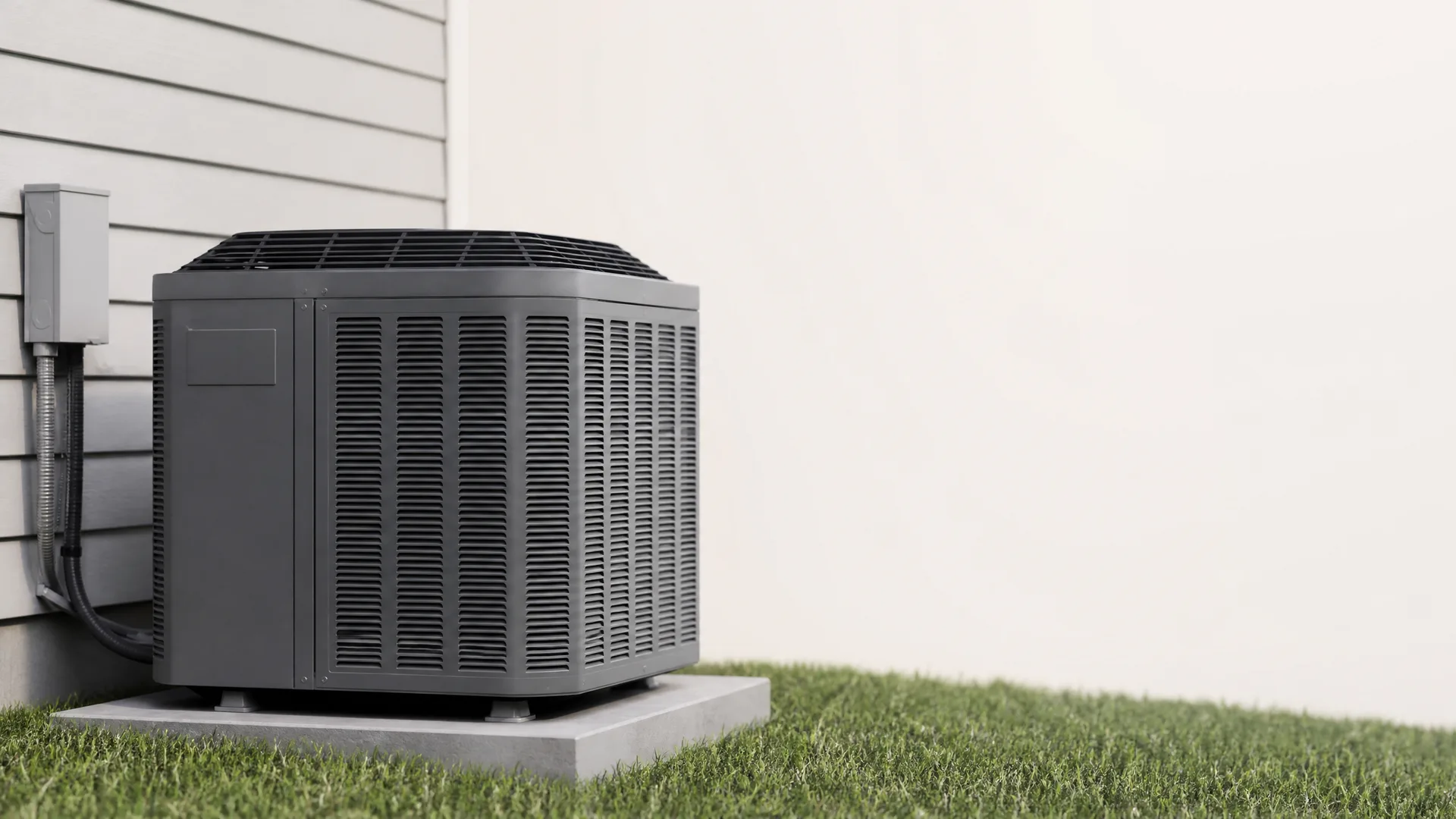
Dust burning off the coil
A heat pump that sat idle for a few weeks before you flipped it over to heat can put off a dusty, hot smell the first time it runs. That dust settles on the heat strips or the coil and burns off once things warm up. It should fade within an hour. If the smell holds past that, or comes back every time the system kicks on, something inside is overheating and needs a look.
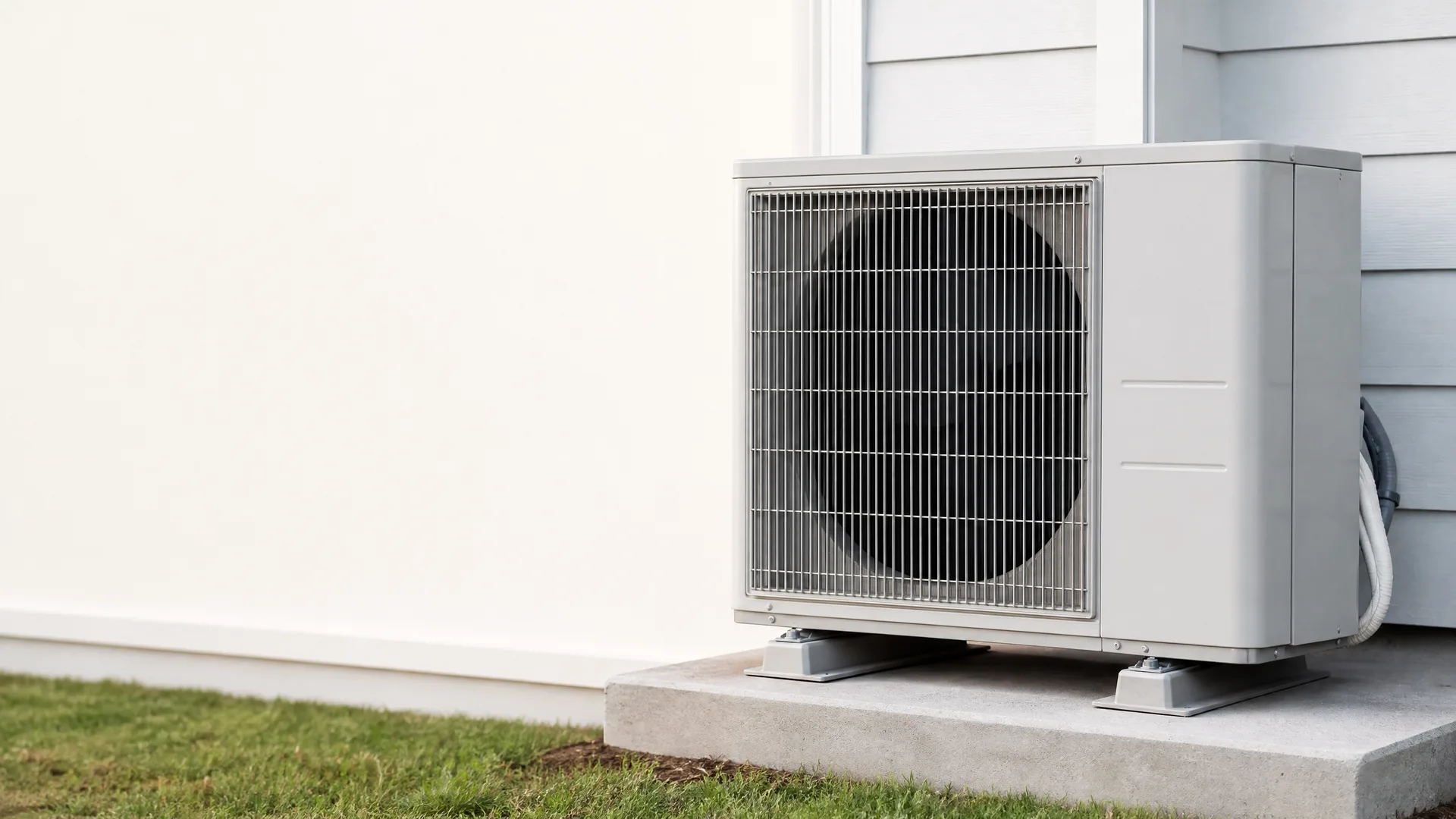
A motor that's working too hard
The blower motor or the outdoor fan motor can give off a hot, electrical smell when the bearings wear down or the motor pulls more current than it should. In Arizona, that outdoor unit sits outside in full sun most of the year, running long hours to keep up. A motor under strain for that long tends to show it through heat and smell before it shows it by failing outright.
Power costs 15.26 cents per kilowatt-hour statewide
At 15.26 cents per kilowatt-hour, running your heat pump on the wrong settings or with a dirty coil costs you more every month it goes unfixed. A burning smell is often a sign something is making the system work harder than it should, and that shows up on your bill before you even get the repair done.
EIA-861 2025 statewide residential average
A heat pump that keeps running hot after the smell shows up isn't just an odor problem anymore. Arizona summers push that system for months straight, and a unit already working through a short or a scorched wire doesn't get a break to cool down and sort itself out. Left alone, a burning smell tied to the blower motor or the electrical connections can mean the system shuts itself down mid-afternoon when you need it most, or trips a breaker that won't reset. If the smell is coming from the heat strips, you might notice uneven warmth through the house even before anything fails outright. And if it's electrical, the risk isn't just losing cooling for a day, it's what happens to the wiring and the panel if that heat keeps building unchecked. None of this means tear the system apart tonight, but it does mean the smell is worth tracking: when it happens, how strong it is, whether it fades or gets worse. That's the information a repair call starts with.




One request and it's handed off
A burning smell is easy to put off checking when the system still seems to be running fine otherwise. That's the wrong call with a heat pump in Arizona, where it's keeping your house livable through months of heat with no real break to idle. Someone who works on these systems every summer here has likely already seen what you're dealing with, whether it's a motor strained from running nonstop or wiring that's taken damage from sitting in a hot attic or a closet that doesn't vent well. Send the request and it goes to one licensed local contractor, not a handful of companies competing for the job. From there, finding the right person stops being something you have to manage. You've already done the part that takes effort, which was figuring out something's wrong. The rest is someone local looking at your actual unit and telling you what it needs.
What That Smell Is Telling You
- A faint dusty smell that fades within an hour is normal the first time heat strips fire up after sitting idle.
- A smell that lingers, gets stronger, or carries a sharp electrical edge points to a wire, motor, or component under strain.
- The coil and the heat strips are the two most common sources, and a licensed contractor can tell which one from the smell alone.
- Letting it run through an Arizona summer gives a failing part no break to cool down between cycles.
- A local contractor who services heat pumps all season knows which failures show up most in this kind of heat.
- Catching the cause early keeps a single bad part from taking down the whole system during the months you need it most.
A burning smell from your heat pump almost always comes down to one of two places: the coil or the heat strips. If it showed up the first time you ran heat after weeks of the system sitting idle, and it faded within the hour, that was dust burning off. Nothing to chase down. If the smell stuck around, got stronger, or had that sharp, electrical edge to it, something inside is under strain. That could be a motor working harder than it should, a wire that's scorched, or a component breaking down from heat it wasn't built to handle. A licensed contractor who services heat pumps through Arizona summers can usually tell which one it is just from how the smell presents, before they even open the unit up. That matters here because your heat pump doesn't get much of a break. It runs for months straight through summer heat, and a part that's already failing doesn't get the downtime to cool off between cycles the way it might somewhere with a milder stretch of weather. What starts as one strained component can take the whole system down if it's left to run. The smell itself isn't the damage. It's the warning that something's already working harder than it was built to, and the sooner that gets looked at, the less chance it has to spread to parts that were fine before.


Done looking for a heat pump pro
A heat pump running flat out through an Arizona summer doesn't get much chance to idle, so a burning smell is worth sorting out now rather than later. A local contractor who works on these systems all season knows what usually causes it in this heat, from a scorched wire to a coil working harder than it should. Submitting the form puts one licensed contractor on it, not a handful of companies competing for your call.
The pro who reaches out is licensed in Arizona.
You're not committing to anything by asking.