Tell us about the job
Takes about a minute. No obligation.
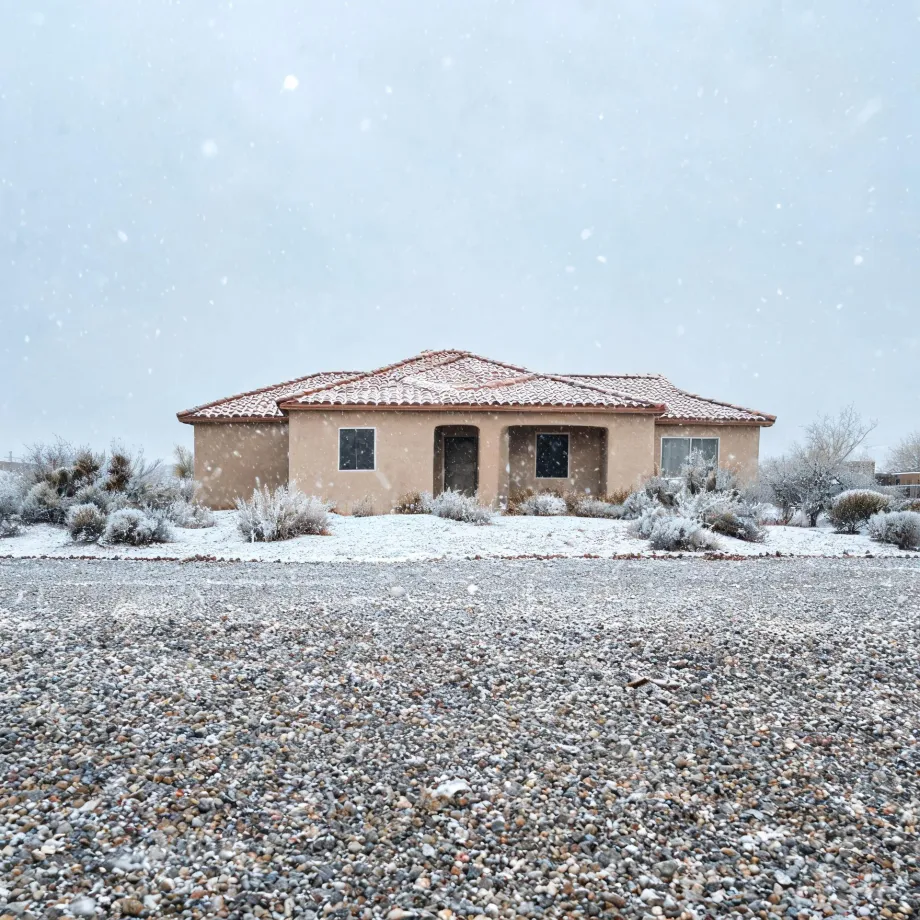
A contractor quoting a heat pump installation in Pima County has to size for the heating load before anything else. Homes in Pima County, AZ run heat about five months a year, from November through March. Capacity in a heat pump drops as outdoor temperatures fall, so the heating side drives the sizing math, not the cooling side. A unit that is undersized for those winter demands runs longer cycles, loads the reversing valve harder, and reaches the off-season with more wear on the compressor than a correctly sized unit would. The installer also has to decide whether supplemental resistance heat is warranted, and that answer comes from the local winter lows, not from a catalog default.
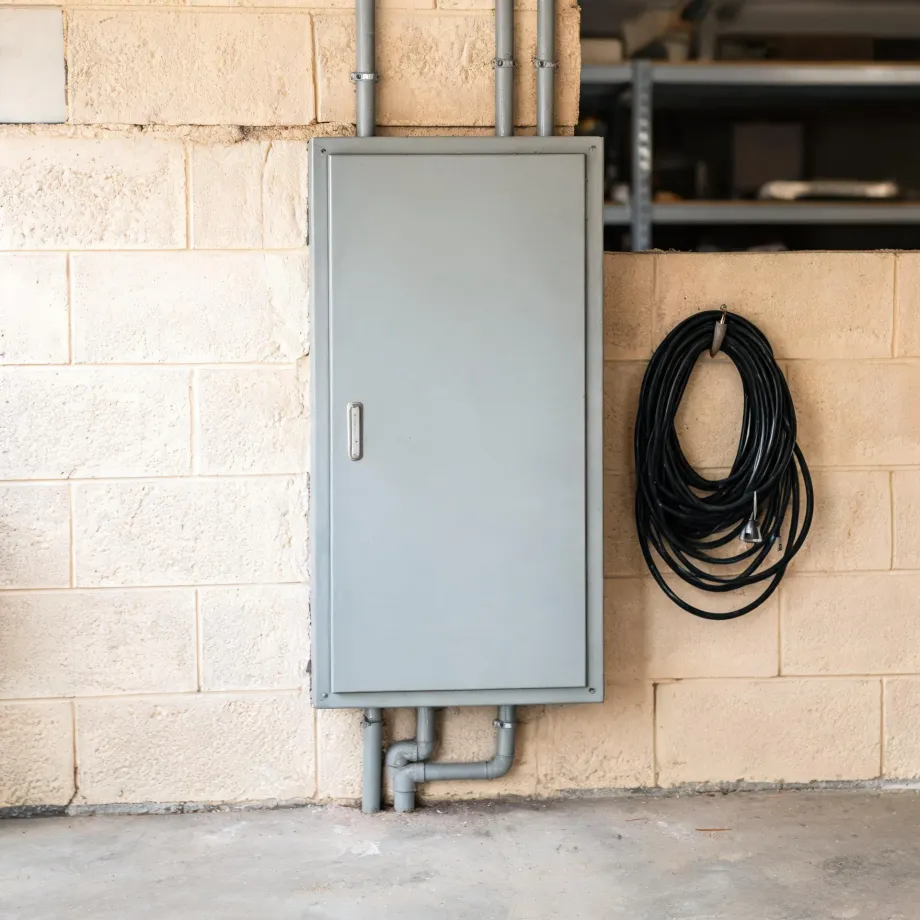
Ductwork laid down for older cooling equipment carries assumptions about airflow, return sizing, and routing that a heat pump does not share. Half the homes in Pima County, Arizona were built in 1986 or earlier (2020-2024 ACS 5-year). That spread across the housing stock means a contractor pulling permits here regularly opens walls or attic access to find duct configurations that handle a conventional split system but restrict what a heat pump needs to move conditioned air efficiently. The electrical service is a separate question: heat pumps draw differently than the resistance or gas systems many of these houses were built around, and the panel has to support that load before anything else gets priced.
What Gets Installed With a New Heat Pump
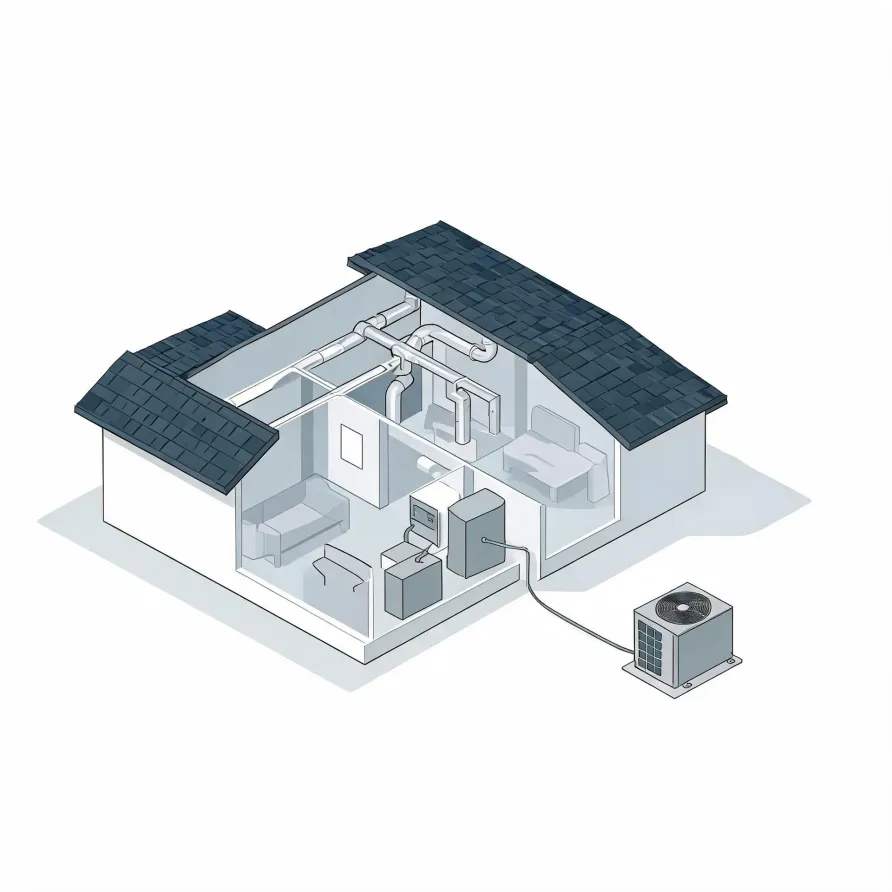
The outdoor unit sits on a pad beside the house and holds the compressor and the condenser coil. The indoor air handler mounts inside, usually in a closet, attic, or utility room, and moves conditioned air through the home. These two units are the core of what a contractor places during installation.
A refrigerant line set runs between the outdoor unit and the air handler, carrying refrigerant back and forth through insulated copper tubing. A thermostat mounts on an interior wall and gives the homeowner control over the system. Some installations also include a secondary drain pan beneath the air handler to catch condensate.
The drawing shows a typical layout, and a licensed contractor determines exactly how each piece is positioned and connected in your house.
Find a contractor in Pima CountyPima County, by the numbers
405 severe weather events were recorded in Pima County, Arizona between 2015 and 2024.
NOAA National Centers for Environmental Information, Storm Events Database, bulk CSV export, events 2015-01-01 through 2024-12-31.Half the homes in Pima County, Arizona were built in 1986 or earlier (2020-2024 ACS 5-year).
U.S. Census Bureau, 2020-2024 American Community Survey 5-Year EstimatesPima County, Arizona holds 479,939 housing units (2020-2024 ACS 5-year).
U.S. Census Bureau, 2020-2024 American Community Survey 5-Year EstimatesOwners occupy 65.2% of the occupied homes in Pima County, Arizona (2020-2024 ACS 5-year).
U.S. Census Bureau, 2020-2024 American Community Survey 5-Year EstimatesHeat Pump Installation Rules for Pima County, Arizona1 codes & standards
Licensing and Legal Requirements in Pima County, Arizona
Arizona requires a contractor licence in good standing: it is unlawful to engage in the business of contracting, to bid, or to act or hold yourself out as a contractor without one.
Severe Weather Events in Pima County
Pima County's climate puts real demands on heating and cooling equipment, and the load a heat pump carries over its lifetime is shaped by what the local weather does year after year. A contractor sizing and installing equipment here works from those conditions, not from a national average.
405 severe weather events, 2015–2024. Source: NOAA National Centers for Environmental Information, Storm Events Database.