Tell us about the job
Takes about a minute. No obligation.
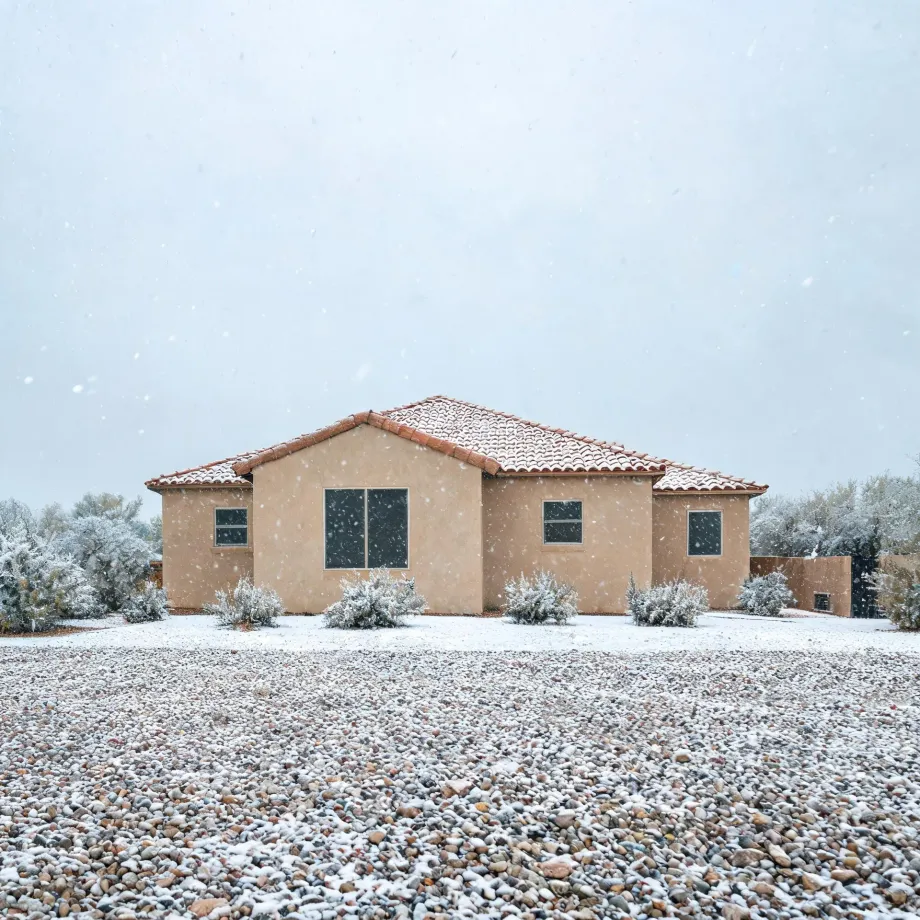
The reversing valve in a heat pump is what makes it a heating machine, and Pima County winters put that valve through repeated thermal cycling as the system switches direction and hunts for capacity in cold outdoor air. Homes in Pima County, AZ run heat about five months a year, from November through March. Through that stretch, the refrigerant circuit runs under load conditions that compress and expand the same seals, valve seats, and coil surfaces month after month. When a contractor arrives for a repair, the heating history of that equipment is visible in the valve wear and in the low-side pressure readings, which is where the diagnostic work starts.
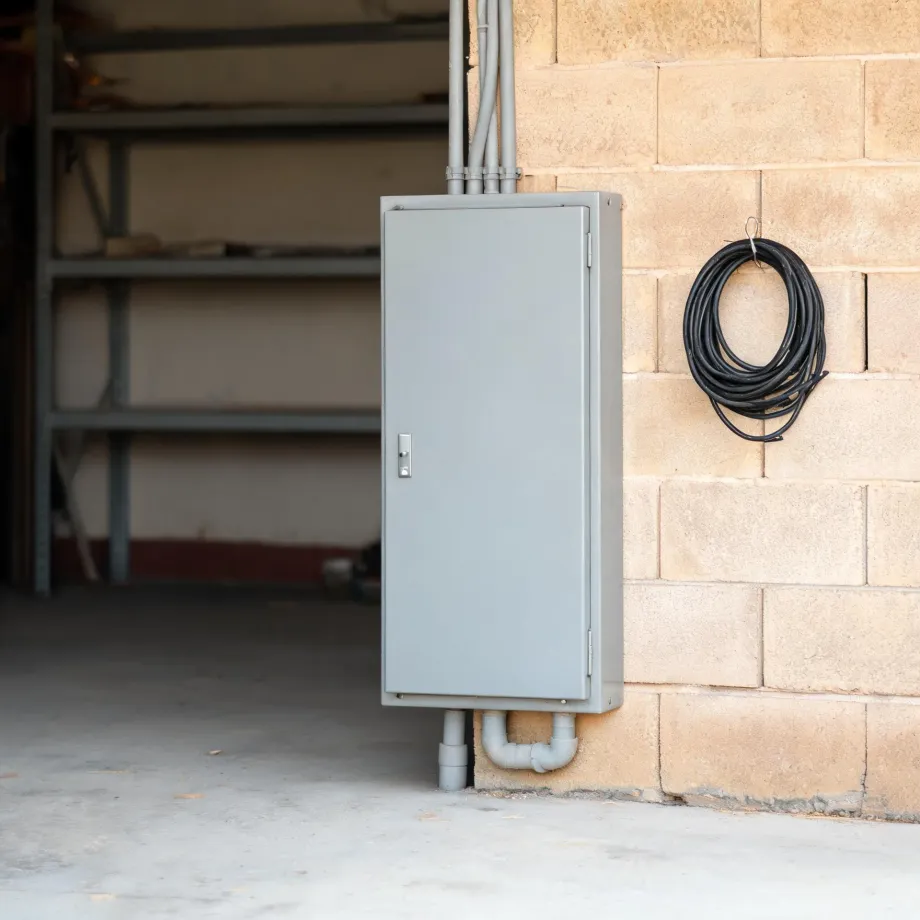
Ductwork and electrical in this county's housing stock have typically been adapted already, often more than once, as older systems were swapped out over the years. Half the homes in Pima County, Arizona were built in 1986 or earlier (2020-2024 ACS 5-year). What a contractor finds when the heat pump is open is the real variable: whether a coil has corroded, whether a refrigerant circuit is holding pressure, whether a capacitor or reversing valve has given out in the desert heat. Parts availability for units installed in that window of housing turnover varies, and a contractor who has worked this county knows which manufacturers still support them and which do not.
The Parts of a Heat Pump a Contractor Checks First
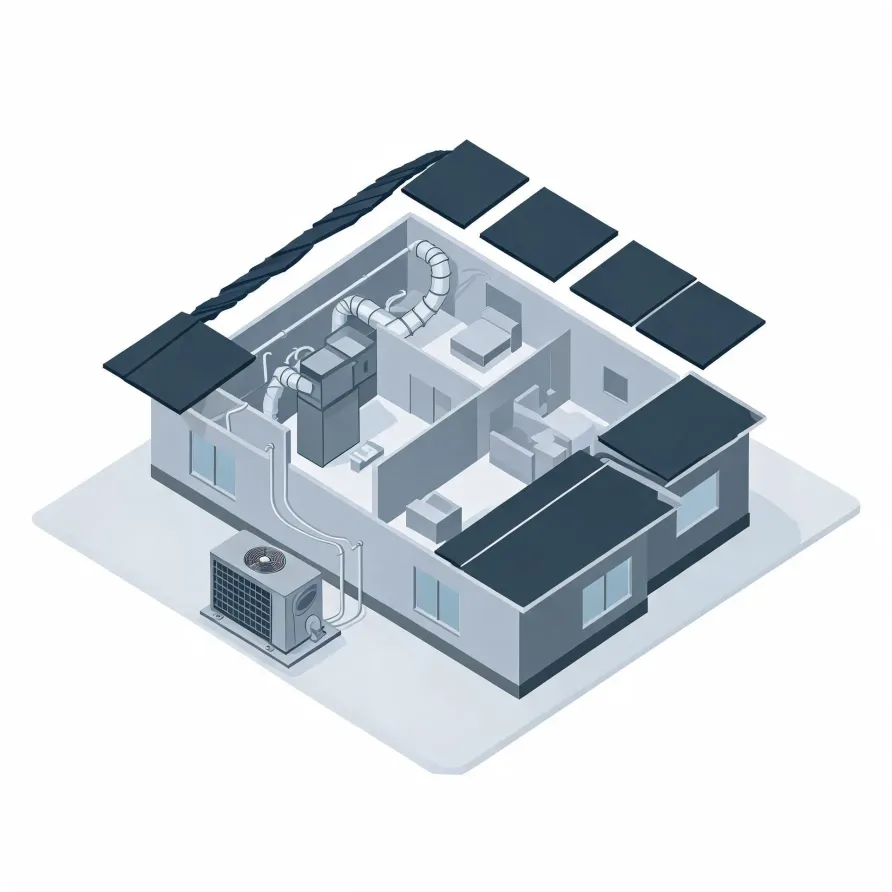
The outdoor unit sits outside the house and holds the compressor and condenser coil, which are the two pieces a contractor goes to first when a heat pump stops heating or cooling properly. A failed compressor produces no output at all. A fouled or damaged condenser coil causes the system to run without doing much.
Inside the house, the air handler contains the evaporator coil and the blower fan that push conditioned air into the living space. A reversing valve connects the two sides and is what lets the system shift between heating and cooling modes. The expansion valve and refrigerant lines run between the units and are checked when pressures read off.
The drawing shows the general layout of a heat pump system, and a licensed contractor determines which components apply to your specific house and situation.
Find a contractor in Pima CountyPima County, by the numbers
405 severe weather events were recorded in Pima County, Arizona between 2015 and 2024.
NOAA National Centers for Environmental Information, Storm Events Database, bulk CSV export, events 2015-01-01 through 2024-12-31.Half the homes in Pima County, Arizona were built in 1986 or earlier (2020-2024 ACS 5-year).
U.S. Census Bureau, 2020-2024 American Community Survey 5-Year EstimatesPima County, Arizona holds 479,939 housing units (2020-2024 ACS 5-year).
U.S. Census Bureau, 2020-2024 American Community Survey 5-Year EstimatesOwners occupy 65.2% of the occupied homes in Pima County, Arizona (2020-2024 ACS 5-year).
U.S. Census Bureau, 2020-2024 American Community Survey 5-Year EstimatesHeat Pump Repair Rules That Apply in Pima County, Arizona1 sourced standards and codes
Licensing Rules for HVAC Repair in Pima County, Arizona
Arizona requires a contractor licence in good standing: it is unlawful to engage in the business of contracting, to bid, or to act or hold yourself out as a contractor without one.
Severe Weather Events in Pima County
Extreme weather puts real strain on heat pump systems, forcing them to run harder and longer to hold a stable temperature inside. How often that pressure hits is a local fact, and it shapes what repair and maintenance work looks like in Pima County.
405 severe weather events, 2015–2024. Source: NOAA National Centers for Environmental Information, Storm Events Database.